LEARN BASIC JAPANESE ALPHABET,HIRAGANA (JLPT N5)

Updated: Aug 11, 2020
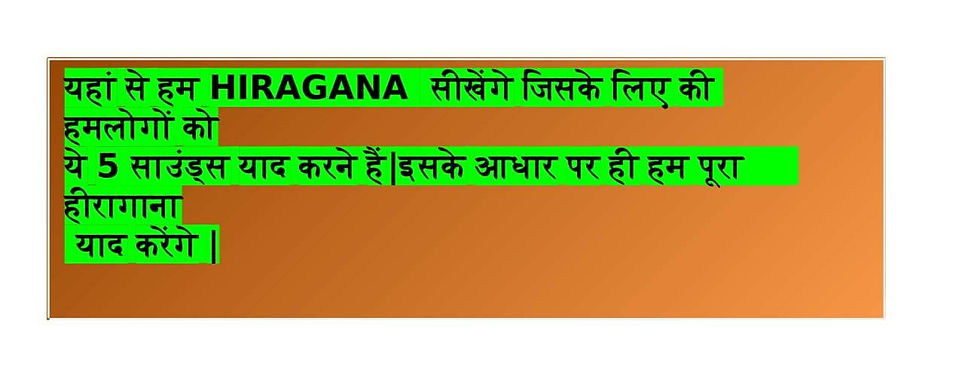
· Three types of letters in Japanese 1. HIRAGANA 2.KATAKANA 3.KANJI · At first we are going to learn HIRAGANA Hiragana is basically used to express 46 different sounds used in the Japanese language. We suggest you start learning Hiragana, then Katakana and then Kanji. If you learn Hiragana first, it will be easier to learn Katakana next. Hiragana will help you learn Japanese pronunciation properly, after that you can write sentences in Japanese. Japanese will become a lot easier to study after having learned Hiragana. Also, as you will be able to write sentences in Japanese. Katakana will help you read Japanese menus at restaurants. Hiragana and Katakana will be a good help to your Japanese study. It is important to practice writing Hiragana minimum 4hr in a day by pencil (don’t use pen) & use square notebooks. Revision is must. There are 5 vowels in Japanese
NOTE- Sound will be same A i u E O

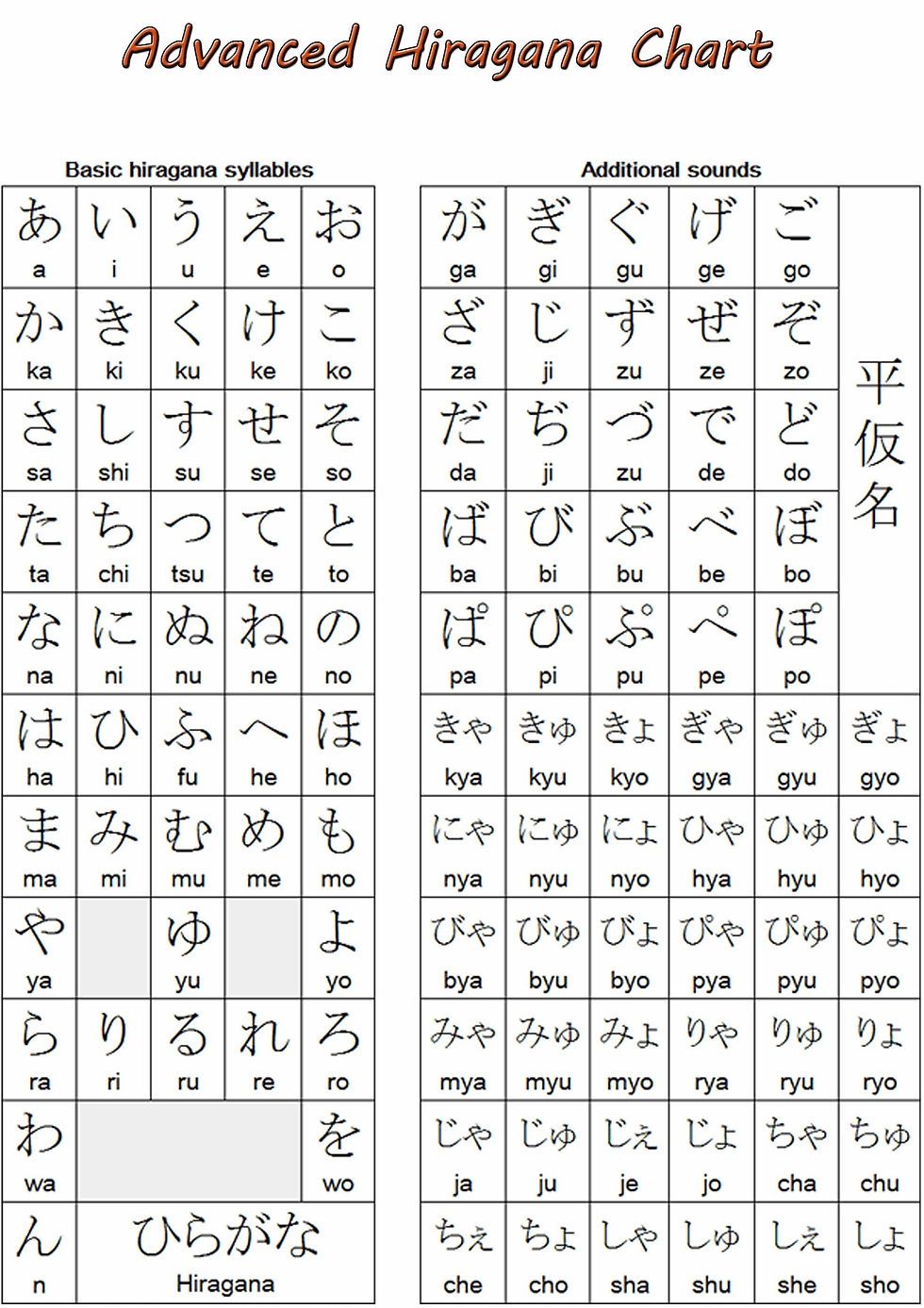
The Basic 46 Hiragana Characters

Exceptions: The Hiragana は (ha) is pronounced "wa" when it immediately follows the topic of the sentence. This character is usually only pronounced "ha" when it is part of a word. The Hiragana へ (he) is pronounced "e" when it immediately follows a place or direction. Both of these are very simple to detect. At first we draw Horizontal line then vertical line.

Indicated with two small dots.

か (ka) change to ga(が) さ (sa) change to za(ざ) た (ta) change to da (だ) は (ha) change to ba & pa (ば) (ぱ) RULE 1 TENTEN ( ゛) AND MARU ( ゜) The first rule describes the way the pronunciation changes when two small dashes ( ữ ) called tenten or a small circle ( Ự) called maru is added to a hiragana character. Tenten may be added to 20 hiragana characters, giving them a voiced consonant sound. For example, adding tenten to any of the Ầ, Ẩ, Ẫ, Ậ, Ắ row characters changes the “k” (as in coat) to “g” (as in goat). You will notice a vibration in your throat when you pronounce “g,” but not “k.” All 20 hiragana characters become voiced sounds when you add tenten. Note: You probably noticed in the chart above that there are 2 characters pronounced "zu" and 2 characters pronounced "ji". The characters づ (zu) and ぢ (ji) are very rarely used. づ (zu) only occurs when there is a つ (tsu) in front of it like in つづく (tsuzuku - to continue) or when a Kanji (Chinese character) that has a reading which starts with つ (tsu) is paired at the end with another character changing the つ (tsu) to a づ (zu). The same applies for the Hiragana ぢ (ji).

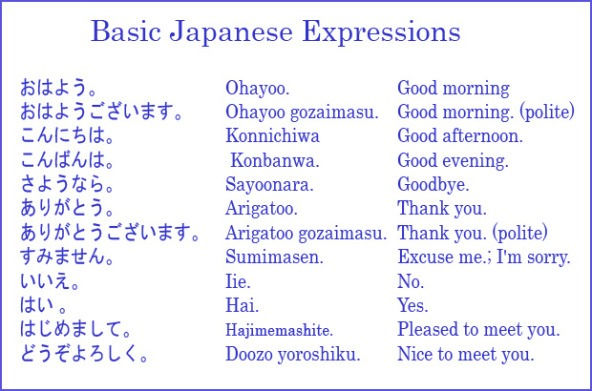
The rules in Hiragana (1) Long vowels (2) ① a _ is represented by adding あ. oka _ san (mother) おかあさん ② ii and i _ are represented by adding い. oniisan (older brother) おにいさん ojiisan (grandfather) ③ u _ is represented by adding う. yu _gata (early evening) ゆうがた chu _goku (China) taifu _(typhoon) ④ e _ is represented by adding え in the words of Japanese origin. one _ san (older sister) おねえさん ⑤ ei is written in えい in the words of Chinese origin. Eigo (English) えいご yu _mei (famous) sensei (teacher) gakusei (student) ⑥ o _ is represented by adding う. sayo _ nara さようなら、 byo _ in (hospital) 、 kyo _ (today) Do _ mo arigato _ gozaimasu. ⑦ In some words it is traditionally written in お. o _ ki おおきい、 to _ (ten) 、 to _ ri (street) (2) Double consonants Double consonants (kk, pp, ss, and tt) are represented by small っ. As small っ indicates a one-syllable pause, the mouth prepares for the pronunciation of the next syllable. gakko _ (school) がっこう、 kippu (ticket) kitte (stamp) Chotto matte kudasai. (Just moment, please.) Gambatte kudasai. (Go for it. Good luck.) (3) ji and zu are usually written in じ and ず. In few cases, they are traditionally written in ぢ and づ. sanji (3:00) jisho (dictionary) chizu (map) mizu (water) (4) wa using as a particle is written in は, not わ. Kyo _ wa doyo _ bi desu. (Today is Saturday.) きょうは どようびです。 Watashi wa nihonjin desu. (I’m Japanese.) Watashi wa nihonjin dewa arimasen. (I’m not Japanese.) (5) o using as a particle is written in を, not お. Osake o nomimasu. (I drink sake.) おさけを のみます。 Sore o misete kudasai. (Please show me that.) Kore o kudasai. (Please give me this one.) (6) e using as a particle is written in へ, not え. Shibuya e ikimasu. (I’m going to Shibuya.) しぶやへ いきます。 Doko e ikimasuka. (Where are you going?) Kyo to e ikimasu. I’m going to Kyoto. अब तक हमलोगों ने HIRAGANA सीख लिया हैं |कुछ महत्वपूर्ण नियम भी सीख चुके हैं | क्युकि अभी आपने जापानीज भाषा सीखना शुरू किया है तो आपको एक ही चीज़ कई बार दोहराना हैं | एक बार और HIRAGANA को देखते हुए,KATAKANA सीखेंगे |
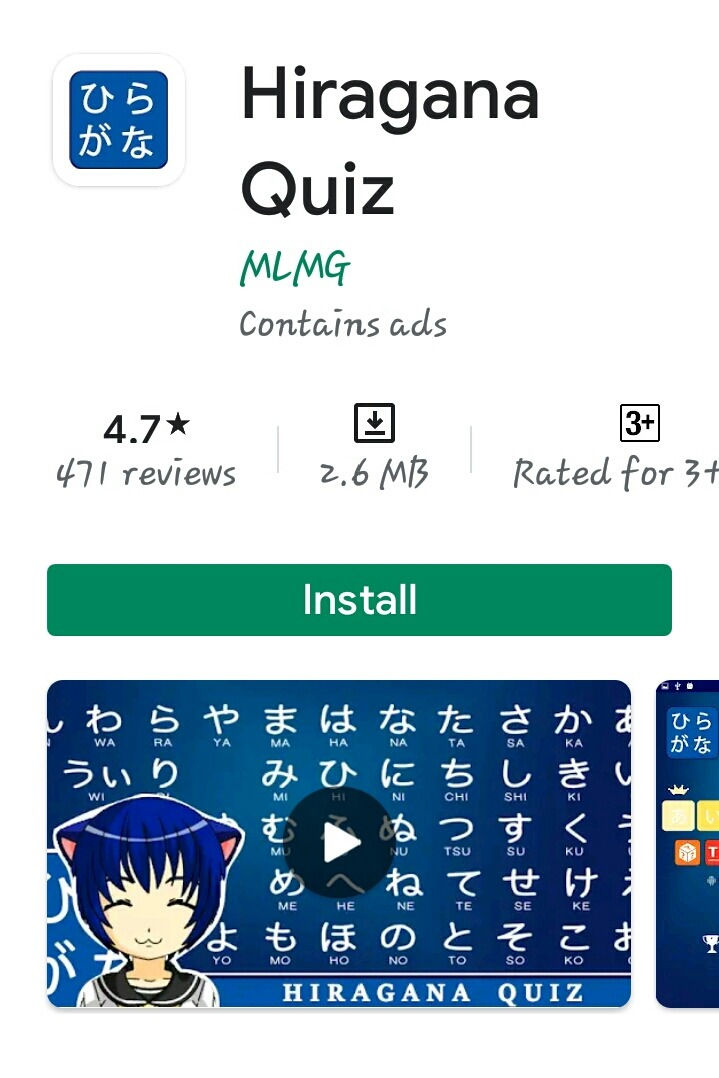
Double consonants (kk, pp, ss, tt etc.) are represented by small tsu, っ There are lots of application on play store, where you can practice with Hiragana games & Quiz.

VOCABULARY うしーCOW しおーSALT かさーUMBRELLA えきーSTATION あしーFOOT くしーCOMB いけーPOND ここーHERE そこーTHERE すいかーWATERMELON あせーSWEAT さかなーFISH いとーTHREAD てーHAND くつーSHOES うちーHOME たいこーDRUM いぬーDOG ねこーCAT かにーCRAB はしーBRIDGE ほしーSTAR ひーFIRE ふえーFLUTE つのーHORN うまーHORSE さるーMONKEY さくらーCHERRY BLOSSOMS ゆきーSNOW かわーRIVER めがねーSPECTACLES かぎーKEY りんごーAPPLE かぜーWIND ふじさんーMT. FUJI ちずーMAP ごはんーRICE くだものーFRUIT でんわーTELEPHONE まどーWINDOW かばんーBAG しんぶんーNEWSPAPER かべーWALL OF HOUSE かばんーBAG でんぱーRADIO WAVE さんぽーWALK えんぴつーPENCIL けっこんーMARRIAGE ざっしーMAGAZINE おにいさんーELDER BROTHER おかあさんーMOTHER おばあさんーGRANDMOTHER おじいさんーGRANDFATHER わたしーI あなたーYOU わたしたちーWE がくせいーSTUDENT だいがくーUNIVERSITY だれーWHO しつれいですがーEXCUSE ME はいーYES いいえーNO GREETINGS


How to write Hiragana in proper way
just learn through this video
THANK YOU



Comments